Affordable Roofing Contractor – Lena, IL
0% APR Financing Available
Is your roof more than 10 years old? Has it been inspected recently for storm damage? Our experts provide free in-home roof inspections with top-notch products and craftsmanship that exceed expectations.
Schedule your free roof inspectionWhy Choose Precision Exteriors Inc. for Roofing in Lena, IL
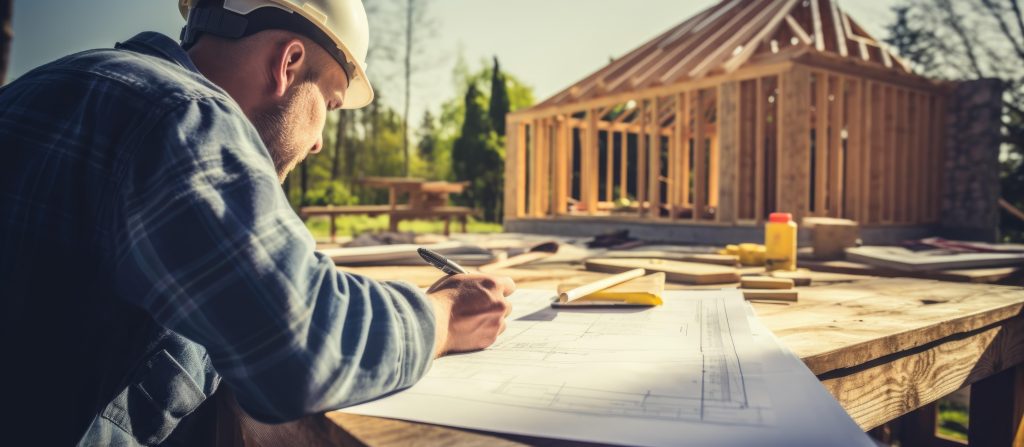
Roof Inspections
Professional Roof Inspections in the Midwest
When homeowners search for a roofing contractor near me or a roofing company in the Midwest,
they’re usually looking for clarity—not sales pressure. Our roof inspections provide a detailed, honest evaluation
of your roof’s condition so you can make informed decisions before small issues become costly repairs.
Midwest roofs endure hailstorms, strong winds, heavy snow loads, freeze–thaw cycles, and extreme temperature swings.
A professional inspection from a roofing specialist who understands Midwest roofing systems
is one of the best investments you can make to protect your home.
Why Roof Inspections Matter in the Midwest
- Hail Impacts
- Hail strikes bruise shingles, loosen protective granules, and create weak points that grow over time.
- Freeze–Thaw Cycles
- Water expands inside micro-cracks, turning small vulnerabilities into long-term failures.
- Ice Dams
- Heat loss and poor ventilation cause ice buildup that forces water beneath shingles.
- Wind-Driven Rain
- Horizontal rain exploits lifted shingle edges and exposed flashing, causing hidden leaks.
- Rapid Temperature Swings
- Midwest summers and winters expand and contract roofing materials, stressing shingles and fasteners.
These issues are rarely visible from the ground. By the time interior stains appear, moisture may have traveled
through insulation, decking, and rafters. Routine inspections catch this damage early.
What We Examine During a Professional Roof Inspection
Many roofing companies provide a quick “free inspection” that’s little more than a sales tactic. We take a diagnostic approach
designed to uncover developing problems before they become expensive.
- Shingle Condition
- We check for cracking, curling, blistering, granule loss, hail bruising, UV damage, and wind uplift.
- Flashing Systems
- We examine metal flashing around chimneys, skylights, dormers, valleys, and sidewalls where leaks most often develop.
- Roof Penetrations
- Pipe boots, vents, and exhaust penetrations are inspected for dry rot, seal failure, and UV deterioration.
- Gutters & Drainage
- We ensure water flows away properly and isn’t backing up under shingles or freezing at the edges.
- Decking & Structure
- We check for soft spots, warping, sagging, and moisture compromise due to storms or snow load.
- Attic Ventilation & Insulation
-
Proper airflow reduces condensation, prevents ice dams, and extends the life of Midwest roofing materials—
including modern systems like Malarkey impact-resistant shingles.
The Science of Roof Damage (Real Explanations Homeowners Never Hear)
- Micro-Fractures from Hail
- Bruised shingle mats weaken slowly, often months before leaks appear.
- Granule Erosion
- Once granules wash off, asphalt absorbs more heat, aging the shingle prematurely.
- Nail Fatigue
- Wind and temperature expansion can loosen fasteners, creating hidden entry points for water.
- Moisture Channels
- Water rarely drips straight down—it follows rafters, sheathing, and insulation, hiding damage.
This deeper understanding helps us diagnose issues accurately and recommend roofing products that truly perform
in the Midwest—especially hail-rated, SBS-modified shingles like Malarkey.
Our Step-by-Step Roof Inspection Process
-
Initial Consultation —
We learn the roof’s history, past repairs, and any storm events that may have impacted it. -
Exterior Evaluation —
We assess soffit, fascia, gutters, and siding for signs of water misdirection. -
On-Roof Assessment —
We walk accessible slopes and evaluate shingles, valleys, penetrations, and flashing. -
Attic Inspection —
When accessible, we inspect ventilation, insulation, moisture levels, and structural components. -
Documentation —
Photos and detailed notes help you understand the exact condition of your roof. -
Clear Recommendations —
Immediate concerns, upcoming maintenance, and long-term planning without pressure.
Inspection Tools We Use to Go Beyond “Free Inspections”
- Moisture Meters
- Identify hidden dampness in decking and framing before rot begins.
- Thermal Imaging
- Detects trapped moisture, air leaks, or insulation failures.
- Drones
- Safe, high-resolution imagery for steep or complex roofs.
- Granule & Impact Testing
- Documents hail severity for accurate repair recommendations and insurance claims.
How Roof Inspections Support Insurance Claims
In the storm-prone Midwest, clear documentation is everything. A professional inspection can:
- Provide a pre-storm baseline for future claims.
- Document wind and hail damage with photos and written descriptions.
- Clarify whether damage is repairable or requires replacement.
- Help you communicate effectively with your insurance adjuster.
When Midwest Homeowners Should Schedule a Roof Inspection
- After hail or high-wind storms.
- Before winter to prevent ice dam issues.
- After winter to assess freeze–thaw and snow load damage.
- Before listing a home for sale.
- Every 12–24 months for preventative maintenance.
DIY Roof Check (Safe, Ground-Level Only)
- Missing or damaged shingles
- Look for spaces, lifted sections, or patches of discoloration.
- Granules in gutters
- Heavy granule loss indicates accelerated aging.
- Sagging or uneven rooflines
- Can indicate structural or moisture issues.
- Attic stains or musty odors
- Often the first signs of hidden leaks.
Schedule a Professional Roof Inspection in the Midwest
Whether you’re concerned about a recent storm, an aging roof, or simply want peace of mind,
our roofing company provides a detailed inspection that identifies real issues—not imaginary ones.
As a trusted Midwest roofing contractor, we rely on materials engineered for our climate, including
Malarkey impact-resistant shingles and other hail-rated products.
Contact us today to schedule your professional roof inspection and receive a clear,
no-pressure evaluation of your roof’s condition.
Roof Repairs
Roof Repairs for Midwest Homes
When you search for a roofing contractor near me or a roofing company in the Midwest,
you usually aren’t looking for a whole new roof—you want to know if your current roof can be repaired and how fast it
can be made watertight again. Our roof repair services are built around clear diagnostics, honest recommendations, and
materials that are engineered for Midwest weather.
Hail, high winds, heavy snow, blowing debris, aging materials, and past installation shortcuts can all work together
to create roof problems. We focus on repairing damage at the source, restoring protection, and extending the life of
your roofing system wherever it still makes sense to do so.
Common Roof Problems We Repair in the Midwest
- Active Roof Leaks
-
Water staining on ceilings, dripping around light fixtures, or damp attic insulation often trace back to a small,
focused failure point—such as a cracked shingle, failed flashing, or worn sealant—that we can locate and repair. - Hail & Impact Damage
-
Hail bruises, cracked shingle mats, and broken edges weaken the surface and accelerate wear. We identify impact points
and replace affected shingles or sections using hail-rated products designed for repeated Midwest storms. - Wind Damage & Missing Shingles
-
Strong gusts lift shingles, break their adhesive bonds, or tear them away completely. We re-secure loosened areas,
replace missing shingles, and restore the integrity of the shingles around them. - Flashing & Chimney Issues
-
Improperly installed or aged flashing at chimneys, sidewalls, skylights, and valleys is one of the most common leak
sources. We rebuild flashing details so they shed water instead of trapping it. - Pipe Boots & Roof Penetrations
-
Rubber boots and gaskets harden, crack, and pull away from pipes over time. We replace these components and properly
seal them to keep wind-driven rain out of your home. - Low-Slope & Transition Leaks
-
Where flat or low-slope sections meet steeper shingle areas, poor detailing can lead to ponding and leaks. We correct
transitions so water flows off the roof instead of finding its way inside.
Signs Your Roof Needs Repair (Before It Needs Replacement)
- Visible Shingle Damage
- Missing, torn, curled, or cracked shingles, especially after a storm.
- Granules in Gutters or at Downspouts
- Heavy granule loss indicates accelerated wear and reduced UV protection.
- Interior Stains & Peeling Paint
- Brown spots on ceilings, bubbled paint, or swelling trim often point to slow leaks.
- Mold, Mildew, or Musty Odors
- Hidden moisture in attics and wall cavities can be the result of small, persistent roof leaks.
- Sudden Spikes in Energy Bills
- Compromised roofing, ventilation, or insulation allows uncontrolled heat gain or loss.
If you’re noticing any of these issues—or you’ve recently weathered a hail or wind event—having a roofing contractor
evaluate the roof sooner rather than later can keep a repair from turning into a full replacement.
Repair vs. Replacement – How We Help You Decide
Not every problem requires a new roof. During our inspection and repair planning, we look at the broader picture instead
of just the damaged spot.
- Age of the Roof
- If the roof is within its expected service life and damage is localized, repair is often the most cost-effective option.
- Extent & Pattern of Damage
-
A few blown-off shingles or a single flashing failure are good candidates for repair. Widespread hail bruising or
systemic installation issues may justify replacement. - Roof System Type & Materials
-
We consider shingle type, underlayment, ventilation, and low-slope sections to determine whether repairs will integrate
cleanly with the existing system. - Manufacturer Warranty & Building Codes
-
We repair in ways that respect manufacturer guidelines and local codes so you don’t accidentally void a warranty or
create compliance issues down the road.
You get clear, plain-language recommendations: when a repair makes sense, we say so; when a replacement is the smarter
long-term move, we explain why and show you what we’re seeing.
Materials We Use for Long-Lasting Roof Repairs
A roof repair is only as strong as the materials used and how well they match the existing system. We focus on products
designed for Midwest conditions and compatibility with modern roofing assemblies.
- Malarkey Impact-Resistant Shingles
-
Where appropriate, we use SBS-modified, hail-rated shingles that provide better flexibility, impact resistance, and
seal strength in varying Midwest temperatures. - High-Performance Underlayments
- Synthetic underlayments and ice & water barriers in critical repair zones help protect against wind-driven rain and ice dams.
- Properly Matched Accessories
-
We pair replacement shingles with compatible ridge caps, starter strips, sealants, and flashing metals to preserve the
integrity of your roof as a system.
Our Roof Repair Process
-
Inspection & Diagnosis —
We identify visible damage, trace leaks to their source, and check surrounding areas for related issues. -
Documentation —
Photos and notes help you see what we see and can be used for insurance discussions when needed. -
Repair Plan —
We outline recommended repairs, explain alternatives, and answer your questions before work begins. -
Professional Repair —
Our crew performs the repair using appropriate materials and best practices for the specific roof system. -
Quality Check —
We verify the repaired area is watertight, properly integrated, and visually consistent with the surrounding roof. -
Future Maintenance Guidance —
We suggest practical steps to keep the repaired area and the rest of the roof performing well over time.
Temporary vs. Permanent Roof Repairs
- Emergency Temporary Repairs
-
In severe weather situations, our first priority is to stop active leaks and protect the interior with tarps or
temporary patches until a full repair can be completed safely. - Permanent, System-Compatible Repairs
-
Once conditions allow, we replace damaged components, restore proper water flow, and integrate repairs into the roof
so they perform like part of the original system—not just a surface patch.
How Roof Repairs Connect to Insurance & Storm Claims
When storms are involved, our documentation and expertise help you talk with your insurer about what was damaged and
what it will take to restore the roof correctly—not just the cheapest way to get by.
- Condition reports before and after major storm events.
- Photographic documentation of hail, wind, and impact damage.
- Clear repair vs. replacement recommendations based on real conditions.
- Support during adjuster visits when requested.
Schedule Roof Repair With a Trusted Midwest Roofing Contractor
Whether you’re dealing with a small leak, missing shingles, or storm damage, our goal is simple: provide the right
repair for your roof—not just the fastest sale. As a roofing company serving the Midwest, we understand how this
climate wears on roofing systems and why using hail-rated products like Malarkey shingles
makes a difference over time.
Contact us today to schedule a roof inspection and repair consultation. We’ll show you what’s happening on
your roof, explain your options, and help you choose the solution that best protects your home and budget.
Roof Replacement
Roof Replacement for Midwest Homes
At some point, every roof reaches the end of its life. When you search for a
roofing contractor near me or a roofing company in the Midwest
because you’re seeing leaks, missing shingles, or storm damage across multiple areas, it may be time
to consider a full roof replacement instead of another patch repair. Our goal is to help you make that
decision with clear information, not pressure.
A roof replacement is a major project, but it’s also one of the most important investments you can make
in your home’s protection, comfort, and curb appeal—especially in the Midwest, where hail, heavy snow,
strong winds, and rapid temperature swings test every part of a roofing system.
When a Roof Replacement Makes Sense in the Midwest
- Advanced Roof Age
-
If your roof is nearing or past its expected service life and repairs are becoming more frequent,
replacement often provides better long-term value than continued patching. - Widespread Storm or Hail Damage
-
When hail or wind damage is visible across large portions of the roof—not just a few shingles—replacing
the system ensures consistent protection and makes better use of insurance dollars. - Multiple Layers of Roofing
-
Older roofs may have been “recovered” with additional shingle layers. Extra layers add weight and can hide
structural issues, making a full tear-off and replacement the safer choice. - Chronic Leaks or Hidden Moisture
-
Repeated leaks, rotted decking, or mold in the attic often indicate deeper failures that are best solved
by rebuilding the roof assembly rather than chasing symptoms. - Code, Ventilation, or Design Upgrades
-
Sometimes replacement is driven by the need for better ventilation, ice-dam protection, or a new look to
match exterior renovations or a home sale.
During our evaluation, we explain whether your roof can still be reliably repaired or whether a
replacement is the more responsible long-term option for a Midwest climate.
Roof Replacement vs. Major Repair – How We Help You Decide
- Condition of the Entire Roof
-
We compare the health of the damaged areas to the undamaged slopes. If the whole system is tired, a
replacement can actually cost less over time than repeated spot repairs. - Structural Integrity
-
Soft decking, sagging areas, or prior leaks may indicate that a new roof deck or significant rebuilding
is needed—work that’s best done as part of a comprehensive replacement. - Risk Tolerance & Time Horizon
-
We take into account how long you plan to stay in the home and how comfortable you are with future
maintenance so we can recommend a solution that fits your plans. - Insurance & Storm-Related Factors
-
After major hail and wind events, insurance may cover replacement when damage is widespread. We help
you understand whether localized repairs or full replacement better align with your policy and the
actual condition of the roof.
The result is a clear explanation of your options—not a one-size-fits-all answer. We show you what we see
on your roof and walk through the pros and cons of repair versus replacement in plain language.
What a Modern Midwest Roof Replacement Includes
A quality roof replacement is much more than “new shingles.” It’s an integrated system designed to manage
water, air, and temperature from the deck up.
- Decking
-
We remove old roofing down to the decking, replacing any rotten or delaminated sheathing so the new roof
has a solid, reliable foundation. - Ice & Water Protection
-
In the Midwest, ice and water barrier membranes are critical along eaves,
valleys, and other vulnerable areas to help prevent leaks from ice dams and wind-driven rain. - Underlayment
-
Synthetic underlayments provide a secondary water-shedding layer and improved durability compared to
traditional felt, especially in high-wind or high-moisture environments. - Primary Roofing Material
-
Most Midwest homes use asphalt shingles. We strongly recommend
impact-resistant, hail-rated shingles such as Malarkey for their flexibility,
seal strength, and performance under real-world storm conditions. - Flashing & Metal Components
-
Drip edge, step flashing, chimney flashing, and counterflashing are installed or replaced to move water
away from seams and edges instead of allowing it to work behind the roofing. - Ventilation & Exhaust
-
Balanced intake and exhaust ventilation helps reduce attic heat, moisture buildup, and ice dams, extending
the life of both the shingles and the structure below. - Ridge Caps & Details
- Matching ridge caps and finishing details complete the system, improving both performance and appearance.
Material Choices for Midwest Roof Replacements
We help you select roofing materials that fit your budget, your home’s style, and our regional weather patterns.
- Malarkey Impact-Resistant Shingles
-
SBS-modified shingles designed for better impact absorption, stronger seals in cold weather, and longer
life under hail and wind exposure—ideal for Midwest storm seasons. - Architectural Asphalt Shingles
-
Dimensional shingles with improved curb appeal, better wind ratings, and stronger warranties than basic
three-tab shingles. - Designer or High-Profile Shingles
-
For homeowners wanting more depth and character, designer shingles can mimic slate, shake, or other premium
looks while still offering Midwest-ready protection. - Low-Slope & Transition Solutions
-
For areas with lower pitch, we may integrate membranes such as TPO or modified bitumen with the shingle
system to ensure water sheds correctly at transitions and valleys.
Our Roof Replacement Process
-
Evaluation & Recommendation —
We inspect the existing roof, attic, and drainage, then explain whether repair or full replacement is
the better option and why. -
Detailed Proposal —
You receive a clear scope of work, material options, and pricing so you know exactly what is included. -
Scheduling & Preparation —
We coordinate timing, discuss site access and parking, and explain how we will protect landscaping and
property during the project. -
Tear-Off & Deck Repair —
Old roofing materials are removed, the deck is inspected, and damaged areas are replaced before any new
components go on. -
System Installation —
We install ice & water shield, underlayment, flashing, shingles, ventilation, and ridge caps according to
manufacturer guidelines and local codes. -
Clean-Up & Final Inspection —
We magnet-sweep for nails, remove debris, and perform a final walkthrough so you can see the finished roof
and ask questions.
Roof Replacement Costs & Long-Term Value
Every roof is different, but key cost drivers include roof size, pitch, material choice, existing layers,
and necessary deck or ventilation upgrades. Rather than hiding behind “call for price,” we explain how each
of these factors affects your investment so you understand where your money is going.
- Upfront Cost vs. Life Expectancy
-
A slightly higher investment in hail-rated, impact-resistant shingles and proper ventilation
can significantly extend roof life and reduce future repair bills. - Energy Efficiency & Comfort
-
Correct ventilation, lighter-colored or cool-rated shingles, and proper attic insulation can help control
energy costs and improve comfort in both summer and winter. - Resale & Curb Appeal
-
A new roof is one of the first things potential buyers and inspectors notice. A professionally installed,
Midwest-ready roof can be a major selling point.
Insurance & Storm-Driven Roof Replacement
In many Midwest neighborhoods, hail and wind events are the main trigger for roof replacement. We can assist
with the technical side of that process:
- Documenting storm damage with photos and written descriptions.
- Explaining repair vs. replacement needs based on actual roof conditions.
- Coordinating with adjusters when requested so everyone is looking at the same evidence.
- Rebuilding the roof with materials that meet or exceed current code and performance standards.
What to Expect During Your Roof Replacement
- Clear Communication
- We let you know what will happen each day, how long work will take, and who to contact with questions.
- Property Protection
-
We use tarps, catch areas, and careful staging to protect siding, windows, landscaping, and walkways as
much as possible. - Daily Clean-Up
- Debris is collected and removed regularly, and we perform magnet sweeps to minimize stray nails around your home.
- Final Walkthrough
- At the end of the project, we review the new roof with you, discuss maintenance, and answer any remaining questions.
Schedule a Roof Replacement Consultation With a Trusted Midwest Roofing Company
If your roof is aging, has widespread storm damage, or you’re tired of repeat repairs, it may be time to talk about
replacement. As a roofing contractor serving the Midwest, we design roof systems that are built for hail, snow, wind,
and temperature swings—not just for a brochure photo.
We prioritize Malarkey impact-resistant shingles and other hail-rated products
that hold up in real Midwest conditions. Contact us today to schedule a roof replacement consultation,
compare options, and get a clear, no-pressure path to a stronger, longer-lasting roof.
Roof Maintenance
Roof Maintenance for Midwest Roofs
Searching for a roofing contractor near me or a roofing company in the Midwest
isn’t always about leaks or storm damage. Often, it’s about protecting a roof that still has life left. Our roof
maintenance services are designed to extend the lifespan of your roofing system, prevent surprise failures, and
keep your home ready for the next Midwest season.
Instead of waiting for something to go wrong, we build a proactive roof maintenance plan that keeps up with
hail, wind, snow, ice, and temperature swings. Regular maintenance is one of the most cost-effective ways to
protect a major investment and avoid emergency calls at the worst possible time.
Why Roof Maintenance Matters in the Midwest
- Harsh Seasonal Cycles
-
Midwest roofs handle hot summers, cold winters, and rapid temperature swings that fatigue shingles, fasteners,
and sealants over time. - Hail, Wind, and Storm Debris
-
Repeated hail events, strong gusts, and falling branches create small defects that grow into larger failures if
they’re not found and corrected. - Ice Dams and Freeze–Thaw
-
Ice at the eaves, combined with improper ventilation or insulation, can push water back under shingles and into
the structure even when the roof looks intact from the ground. - Clogged Gutters and Poor Drainage
-
Debris-filled gutters cause water to overflow, soak fascia and siding, and back up toward the roof edge—especially
during heavy Midwest rain or rapid snowmelt. - Rising Repair and Replacement Costs
-
A consistent maintenance plan helps you avoid sudden, expensive repairs or premature roof replacement by
addressing issues while they’re still small.
What a Professional Roof Maintenance Service Includes
Most “roof maintenance” pages mention cleanings and quick checks. We treat roof maintenance as an ongoing
program that keeps your entire roofing system working together.
- Scheduled Roof Inspections
- Regular, documented inspections identify wear, storm damage, and vulnerable details before they turn into leaks.
- Gutter & Downspout Cleaning
- Clearing debris keeps water flowing away from the roof and foundation instead of overflowing at the edges.
- Debris Removal from Roof Surfaces
- Leaves, branches, and organic buildup trap moisture, accelerate granule loss, and create moss and algae growth.
- Minor Shingle & Flashing Repairs
-
We replace a limited number of damaged shingles, resecure loose areas, and tune up flashing details as part of
maintenance rather than waiting for a major problem. - Sealant & Fastener Checks
-
We refresh sealants around chimneys, vents, and skylights and address exposed or backed-out fasteners that could
become leak paths. - Ventilation & Attic Checks
-
Ventilation and insulation are inspected for signs of condensation, ice-dam risk, or heat buildup that can shorten
shingle life in the Midwest.
Roof Maintenance vs. “We’ll Fix It When It Breaks”
Many homeowners only call a roofing company after something drips. A roof maintenance program flips that script and
turns your roof into a managed asset instead of a surprise expense.
- Planned Inspections
- You know when your roof will be checked and what will be reviewed, instead of waiting for visible damage.
- Documented Condition Reports
- Each visit builds a history of your roof’s condition, which can support warranty claims and storm-related insurance claims.
- Budget-Friendly Repairs
- Smaller issues can be handled as part of scheduled maintenance, often at a lower cost than emergency work.
- Longer Roof Lifespan
- Addressing minor wear, drainage issues, and ventilation problems early helps your roof reach—and often exceed—its expected service life.
How We Tailor Maintenance for Midwest Roofing Systems
Not every roof in the Midwest is built the same, and maintenance shouldn’t be either. We adjust our approach based
on your roof’s materials, age, and design.
- Malarkey Impact-Resistant Shingle Systems
-
For modern, hail-rated shingles such as Malarkey, we monitor granule retention, seal-line integrity, and impact
wear patterns after storm seasons to help preserve manufacturer performance and warranty expectations. - Older Asphalt Shingle Roofs
-
For aging roofs, we track developing patterns of cracking, curling, and prior repairs to help you plan for
replacement before emergencies occur. - Low-Slope & Transition Areas
-
We check seams, terminations, and transitions between flat and steep-slope sections, where ponding water and ice
buildup are most likely to cause problems. - Complex Rooflines
-
Valleys, dormers, and intersecting roof planes receive extra attention, since these are common leak points in
Midwest storm conditions.
Our Roof Maintenance Program Structure
-
Initial Assessment — We perform a full roof inspection, document current conditions, and identify
immediate issues that need attention. -
Customized Maintenance Plan — Based on roof type, age, and exposure, we recommend annual or
semi-annual visits and outline the services performed at each visit. -
Scheduled Visits — We return on a set schedule to perform inspections, cleaning, and minor
maintenance tasks according to the plan. -
Detailed Reporting — After each visit, you receive a written summary with photos, recommended
next steps, and any forecasted future needs. -
Priority Repair Options — If we find something that needs more than basic maintenance, you receive
a clear repair proposal and priority scheduling options.
Seasonal Roof Maintenance for the Midwest
- Pre-Winter Maintenance
- Before snow and ice arrive, we check shingles, flashing, and gutters, and look for conditions that can lead to ice dams.
- Post-Winter / Spring Maintenance
-
After freeze–thaw cycles and snow loads, we inspect for damage, check drainage paths, and clear debris from the
roof and gutters. - Post-Storm Checkups
-
Following major hail or wind events, we can perform focused inspections to document damage and recommend repairs
before the next weather system moves through. - Annual Comprehensive Review
-
At least once a year, we recommend a full roof and attic review to confirm that previous maintenance is holding up
and that no new issues have developed.
What Homeowners Should and Should Not Do
- Safe DIY Checks
-
From the ground, you can watch for missing shingles, sagging areas, overflowing gutters, and attic stains. These
are good prompts to call a roofing contractor. - Avoid Pressure Washing Shingles
- High-pressure cleaning strips granules and shortens shingle life, especially on older roofs.
- Avoid Unapproved Coatings or Sealants
- Generic roof coatings or incompatible sealants can void shingle warranties and trap moisture where it doesn’t belong.
- Be Wary of Door-to-Door “Maintenance Deals”
-
Extremely low-cost offers after storms can signal unqualified or out-of-town crews. Working with a trusted local
roofing company in the Midwest provides better long-term protection.
How Roof Maintenance Supports Warranties and Insurance
Many manufacturer warranties and some insurance considerations assume a roof is reasonably maintained. A documented
maintenance history shows that you’ve taken care of the system and can strengthen your position if a warranty or
storm-related claim ever becomes necessary.
- Proof of regular inspections and maintenance visits.
- Photos showing roof condition before and after major storms.
- Documentation of minor repairs performed as part of the maintenance plan.
Enroll in a Roof Maintenance Plan With a Trusted Midwest Roofing Company
If you want fewer surprises and a longer-lasting roof, partnering with a roofing contractor in the Midwest
for ongoing maintenance is a smart move. We design maintenance plans around how Midwest weather really behaves and how
materials like Malarkey impact-resistant shingles and other hail-rated products
perform over time.
Contact us today to schedule an initial roof evaluation and discuss a maintenance program that fits
your roof, your home, and your budget.
Emergency Roofing
24/7 Emergency Roofing for Midwest Storm Damage
When a storm tears shingles off, hail punches holes in your roof, or a branch comes through the structure,
you don’t have time to scroll through options—you need a roofing contractor near me that can
respond quickly and protect your home. Our emergency roofing services in the Midwest focus on fast stabilization,
preventing further damage, and planning the right permanent solution once the weather and conditions allow.
Midwest storms can bring hail, high winds, heavy rain, lightning, and sudden temperature swings—sometimes all in the
same day. Even well-built roofs can suffer unexpected damage. The first priority in any roofing emergency is to
stop active leaks and secure the structure, then move into repair or replacement once
your home is safe and dry.
What Counts as a Roofing Emergency?
- Active Leaks During Rain or Snowmelt
-
Water entering through the ceiling, light fixtures, or walls can quickly damage drywall, flooring, and electrical
systems, and can lead to mold if not addressed. - Storm or Impact Damage
-
Missing shingles, exposed underlayment, punctures from hail, or tree/limb impact that leaves the roof surface open
to the elements. - Large Sections of Missing or Lifted Roofing
-
Wind events that peel back or remove large sections of shingles, exposing felt or decking and allowing water to
soak into the structure. - Structural Concerns
- Visible sagging, partial collapse, or a tree on the roof that may compromise the stability of rafters or trusses.
- Unsafe Interior Conditions
- Water entering near electrical panels, major fixtures, or stairways, creating slip hazards or electrical risks.
If you’re unsure whether your situation is an emergency, treat any active leak or visible structural damage as urgent
and contact an emergency roofing company in the Midwest for guidance.
Immediate Actions We Take in an Emergency Roofing Call
Emergency roofing isn’t about finishing every detail on day one—it’s about stopping further damage and setting you up
for a successful repair or replacement.
- Rapid Assessment
-
We evaluate the damage from the exterior and, when safe, the interior, focusing on where water is entering and how
much of the roof is compromised. - Temporary Weather Protection
-
We install emergency tarps, shrink-wrap-style coverings, or temporary patches to divert water away from openings
and protect the interior until permanent work can be done. - Debris & Safety Management
-
Loose shingles, branches, and sharp materials are removed or secured, and we identify any areas that should be kept
clear for safety reasons. - Moisture Control Considerations
-
We look for early signs of water spreading into insulation or living spaces and recommend steps to reduce the risk
of mold and secondary damage. - Planning the Next Phase
-
Once the roof is stabilized, we outline options for permanent repair or replacement, including timelines, materials,
and what to expect from insurance.
Temporary vs. Permanent Repairs – What Homeowners Should Expect
- Temporary Stabilization
-
Tarping and patching are designed to carry you through the immediate weather window. They are not a long-term fix,
but they are often necessary to prevent thousands of dollars in interior damage. - Permanent System Repairs
-
Once weather improves and materials are available, we remove temporary coverings, repair damaged decking, replace
underlayment and shingles, and restore flashing so the roof functions as a complete system again. - When Replacement Is the Better Option
-
If a storm has caused widespread damage across the roof or exposed deeper structural issues, we may recommend roof
replacement rather than piecing together large repair sections.
Common Emergency Roofing Situations in the Midwest
- Hail Damage Emergencies
-
Severe hail can crack shingles, damage vents, and puncture soft spots, creating leaks that show up hours or days
after the storm. We assess impact patterns and prioritize areas most likely to leak first. - Wind & Uplift Damage
-
High winds can tear off shingles, ridge caps, or entire sections of roofing. We secure loose materials and cover
exposed decks to prevent further water intrusion. - Fallen Trees & Debris
-
Impact from branches or whole trees can compromise both the roof and structure. We coordinate with tree services
when necessary and focus on making the roof watertight once the debris is safely removed. - Ice Dams & Sudden Thaw Leaks
-
Ice buildup at the eaves can force water under shingles. During a thaw, leaks may appear suddenly. We address
immediate water entry and later work with you on ventilation and insulation improvements to reduce future risk.
How Emergency Roofing Ties Into Insurance & Documentation
Most storm-related emergencies in the Midwest involve homeowners’ insurance. Proper documentation at the
emergency stage can make a big difference later.
- Photographic documentation of visible damage, both outside and inside.
- Written descriptions of affected areas, materials, and suspected causes.
- Clear separation between temporary emergency work and permanent repairs in our estimates.
- Coordination with your adjuster when requested so everyone is seeing the same conditions.
Our goal is to help you protect your home immediately and then navigate the repair or replacement process with
accurate, easy-to-understand information.
Why Material Choice Matters After an Emergency
Once the immediate crisis is under control, we strongly recommend rebuilding damaged areas using materials that
perform well in repeated Midwest storm cycles.
- Hail-Rated, Impact-Resistant Shingles
-
Products like Malarkey impact-resistant shingles are engineered to better withstand hail and
wind-driven debris, reducing the chance that the next storm turns into another emergency call. - High-Performance Underlayments & Ice Barriers
-
Synthetic underlayments and ice & water shield in critical zones help protect against leaks even if shingles are
later scuffed or damaged. - Upgraded Flashing & Ventilation
-
Rebuilding with improved flashing details and balanced attic ventilation helps control moisture, reduce ice dams,
and extend the life of the repaired area.
What You Can Safely Do Before We Arrive
- Protect Interior Belongings
- Move furniture, electronics, and valuables away from active leak areas and use buckets or containers to catch water.
- Turn Off Power in Wet Areas
-
If water is coming through ceilings near fixtures or electrical paths, shut off power to that circuit or area
and avoid standing in pooled water. - Avoid Climbing on the Roof
-
Wet, storm-damaged roofs are extremely dangerous. Leave roof access and temporary coverings to trained crews with
proper safety equipment.
24/7 Emergency Roofing From a Trusted Midwest Roofing Company
When severe weather hits, you need more than a voicemail box—you need a roofing company in the Midwest
that understands storm damage, responds quickly, and uses materials that can handle the next round of hail and wind.
From emergency tarping and leak control to permanent repairs using hail-rated,
impact-resistant shingles and modern roofing systems, we’re here to protect your home when it matters most.
Contact us any time, day or night, for emergency roofing service and we’ll help you stabilize the
situation and plan the right long-term solution.
Low Slope Roofing (Flat Roofing)
Low-Slope & Flat Roofing for Midwest Homes and Buildings
Low-slope and “flat” roofs behave differently than standard pitched roofs. When you search for a
roofing contractor near me or a roofing company in the Midwest for a porch, garage,
addition, or commercial building with a low-slope roof, you need a contractor who understands membranes, drainage,
and detailing—not just shingles. We design, repair, and replace low-slope roofing systems to handle real Midwest
weather: hail, wind, snow, and freeze–thaw cycles.
Even though they’re called “flat roofs,” properly built low-slope roofs have a slight pitch to move water to drains,
scuppers, or gutters. The right combination of membrane, insulation, and flashing is what keeps water out over the
long term—not just a coat of tar or a quick patch.
What Is a Low-Slope Roof?
- Definition
-
A low-slope roof typically has a pitch of 2:12 or less. At these pitches, shingles are no longer the right primary
roofing material; specialized membranes and systems are needed to manage standing water. - Where You’ll See Low-Slope Roofs
-
Commercial buildings, multi-family properties, attached garages, porches, additions, and modern residential designs
often use low-slope or flat roof sections. - Why They Need Special Systems
-
Water moves more slowly on a low-slope surface. Without the right membrane, seams, and drainage, even a small issue
can turn into a leak or ponding problem.
Low-Slope Roofing Systems We Work With
We install, repair, and maintain several proven low-slope systems designed for Midwest conditions. Each has specific
strengths, and we match the system to the building, use case, and budget.
- TPO (Thermoplastic Polyolefin)
-
A reflective, single-ply membrane that helps reduce heat gain in summer, resists UV exposure, and is heat-welded
at seams to create a continuous waterproof surface. TPO is a strong option for energy efficiency and durability
on many Midwest low-slope roofs. - EPDM (Ethylene Propylene Diene Monomer)
-
Often called “rubber roofing,” EPDM is a flexible, dark membrane known for its long service life and excellent
performance in cold climates. It handles freeze–thaw movement well and is frequently used on residential and
commercial low-slope roofs across the Midwest. - Modified Bitumen
-
An asphalt-based, multi-layer system reinforced with fiberglass or polyester and often surfaced with granules.
Modified bitumen stands up well to foot traffic and is a reliable choice for walkable roof sections, small
commercial roofs, and certain residential applications. - Hybrid and Transition Assemblies
-
Many Midwest homes have a low-slope roof tied into a steep-slope shingle roof. We design hybrid transitions so
membranes and shingles work together, rather than leaving a weak spot where leaks typically appear.
Key Low-Slope Roofing Challenges in the Midwest
- Ponding Water
-
Standing water that remains on a flat roof for more than 24–48 hours can accelerate membrane wear, promote algae
growth, and expose seams to repeated stress—especially during freeze–thaw cycles. - Freeze–Thaw Movement
-
Water that seeps into small surface imperfections can expand when it freezes, slowly opening seams or stressing
flashing details. Flexible, properly detailed systems handle this better than rigid or patched surfaces. - Seam and Flashing Failures
-
Low-slope roofs rely heavily on seams, terminations, and flashing at edges, walls, and penetrations. Poor detailing
at these points is a common source of leaks. - Drainage & Design Issues
-
Clogged drains, undersized scuppers, or poorly sloped decks can cause chronic ponding. Over time, this may lead to
membrane deterioration or structural concerns. - UV and Thermal Stress
-
Dark surfaces can absorb heat, while exposed membranes deal with constant UV exposure. The right membrane and, where
appropriate, reflective surfaces help manage temperature swings.
Low-Slope Roofing for Homes vs. Commercial Buildings
- Residential Low-Slope Roofs
-
Garages, porches, and additions often use small low-slope sections that tie into a main shingle roof. Here, the
transition detailing is just as important as the membrane itself. - Commercial & Multi-Family Low-Slope Roofs
-
Larger roof areas require careful planning for drainage, insulation, and rooftop equipment (HVAC units, vents,
skylights). Regular maintenance and inspection are essential to protect tenants and operations.
Our Low-Slope Roofing Process
-
Evaluation & Diagnosis —
We inspect the existing membrane, seams, flashing, insulation, and drainage to understand how water currently
moves across the roof and where problems originate. -
System Recommendation —
Based on building use, budget, and Midwest climate demands, we recommend TPO, EPDM, modified bitumen, or a
hybrid approach, explaining the pros and cons of each in clear terms. -
Drainage & Slope Planning —
We address slope, tapered insulation, crickets, and drain locations to reduce ponding and help water leave the roof. -
Professional Installation or Repair —
Our crews install or repair membranes, seams, and flashing according to manufacturer guidelines and local codes. -
Detail Work at Transitions —
Edges, walls, parapets, penetrations, and tie-ins to steep-slope shingle roofs are carefully detailed to prevent leaks. -
Final Inspection & Maintenance Plan —
We walk the finished roof with you when possible, review high-priority areas, and recommend a maintenance schedule.
Repair, Restoration, or Full Replacement?
- Localized Repairs
-
When damage is limited—such as a small puncture, seam opening, or isolated flashing issue—targeted repairs can
restore performance without replacing the entire roof. - Restoration & Coatings
-
For some low-slope systems, high-quality coatings can extend life by improving UV resistance and sealing minor
surface cracks—provided the underlying membrane and deck are still sound. - Full Replacement
-
When widespread ponding, severe membrane aging, or structural concerns exist, a full replacement with modern
TPO, EPDM, or modified bitumen may be the most reliable and cost-effective long-term solution.
How Low-Slope Roofs Tie Into Steep-Slope Shingle Roofs
Many Midwest homes have a porch, garage, or addition with a low-slope roof that connects directly to a main shingle
roof. These connection points are some of the most common leak locations we see.
- Proper Transition Flashing
-
We install membranes that extend up under shingles, combined with correctly lapped metal flashing, to move water
from the shingle field onto the low-slope surface without creating a trap. - Compatible Materials
-
We choose membranes, sealants, and metals that are compatible with both the low-slope system and the adjacent
shingle roof, including modern, impact-resistant shingle systems such as Malarkey. - Ongoing Monitoring
- Transitions are checked during maintenance visits, since minor movement or sealant aging can eventually create gaps.
Maintenance for Low-Slope & Flat Roofs in the Midwest
Low-slope roofs are very durable when they’re monitored and maintained. Without maintenance, small issues can stay
hidden until they become serious.
- Regular Inspections
- We recommend at least annual inspections—more often for roofs with heavy equipment or high foot traffic.
- Drain & Gutter Cleaning
- Keeping drains, scuppers, and gutters clear is essential to preventing ponding water and overflow.
- Monitoring Ponding Areas
-
We document and track low spots. If ponding worsens, we can plan corrective work before it leads to leaks or
structural concerns. - Seam & Flashing Touch-Ups
- Seams, terminations, and flashing are checked and maintained to keep the system watertight as it moves and ages.
Low-Slope Roofing From a Trusted Midwest Roofing Company
Whether you need a new membrane for a residential porch or a full low-slope system for a commercial building,
working with a roofing contractor in the Midwest who understands TPO, EPDM, modified bitumen,
drainage, and transitions is critical.
We design low-slope roofs to work as part of the whole building, tie them cleanly into adjacent shingle roofs, and
choose materials that can handle the hail, wind, snow, and temperature swings our region is known for.
Contact us today to schedule a low-slope roofing inspection, repair, or replacement consultation and
get a system built for long-term performance in the Midwest.
Our Commitment
Our Commitment to Midwest Homeowners
Choosing a roofing contractor in the Midwest is about more than shingles and nails.
It’s about trusting a company to protect your home, your investment, and your peace of mind.
At Precision Exteriors Inc., our commitment goes far beyond installation. We focus on quality,
communication, and long-term protection designed for the storms, temperature swings, and
day-to-day realities of living in the Midwest.
What Our Commitment Means
- Long-Term Protection
-
We install roofing systems built to handle hail, wind, snow, and freeze–thaw cycles. Every roof is designed
as a complete system, not a patchwork of mismatched parts. - Honest Assessments
-
We do not upsell. If repairs are appropriate, we recommend repairs. If replacement is the better long-term
choice, we explain why — with photos, documentation, and clear reasoning. - High-Performance Materials
-
We prioritize impact-resistant, hail-rated shingles like Malarkey,
premium underlayments, and upgraded flashings because Midwest homes need more than “builder grade” materials. - Skilled Craftsmanship
-
Our installers are trained, certified, and experienced in steep-slope, low-slope, and specialty roofing systems.
Attention to detail — not speed — drives every project. - Clear Communication
-
From the first call to the final inspection, we keep you informed. You’ll always know what’s happening, what’s
next, and who to contact. - Respect for Your Home
-
We treat your property like it’s our own. That means organized job sites, protected landscaping, and thorough
clean-up — including magnet sweeps for nails. - Local Reliability
-
We’re a Midwest company serving Midwest communities. When storms come through, we don’t disappear — we show up,
assess damage, and help you move forward.
Why Homeowners Choose Precision Exteriors Inc.
- Experienced with hail, wind, ice, and seasonal Midwest damage patterns.
- Licensed, insured, and committed to building code compliance.
- Detailed inspections with photo documentation.
- Transparent pricing and clearly defined scopes of work.
- Fast emergency response when homeowners need help most.
- Premium materials designed specifically for harsh Midwest climates.
- Warranty-backed installations for long-term confidence.
Our Customer-Focused Process
- Listen First — We start by understanding your concerns, goals, and budget.
- Inspect & Document — We perform a thorough inspection and explain our findings.
- Customize Solutions — We tailor repair or replacement plans to your home’s real needs.
- Install with Care — Our crews follow manufacturer guidelines and industry best practices.
- Verify Quality — Every job ends with a full walkthrough and quality check.
-
Support After the Job — We stand behind our work and remain available for questions,
maintenance advice, and long-term support.
Our Philosophy: Do It Right the First Time
A roof is only as strong as its weakest detail. We focus on the areas most roofing companies overlook:
- Valleys & Transitions
- Critical flow areas reinforced with ice & water barrier, proper flashing, and correct shingle orientation.
- Starter Courses & Edge Protection
- Proper overhangs, drip edge installation, and sealed perimeters prevent wind uplift.
- Ventilation & Airflow
- Balanced intake and exhaust extends shingle life, reduces ice dams, and helps regulate attic moisture.
- Low-Slope Connections
-
Specialty membranes and proper termination bars ensure flat-to-pitched transitions stay watertight — a major leak
point in Midwest homes.
Your Home. Your Investment. Our Responsibility.
We believe Midwest homeowners deserve roofing systems that last — not temporary fixes or shortcuts. Our commitment
is simple: combine dependable materials, honest guidance, and skilled craftsmanship to deliver roofing solutions
that stand up to the region’s toughest weather.
Contact us today to schedule a consultation with a trusted Midwest roofing contractor committed to
your safety, comfort, and long-term peace of mind.
PEI Roofing Facts
- We install Malarkey Polymer Modified Rubberized Asphalt as our primary line of asphalt shingles.
- Ice & Water shield is always included in our installations.
- We use synthetic underlayment for enhanced protection and durability.
Roofing Products We Install
In addition to our primary Malarkey shingle line, we also install:
- Owens Corning
- CertainTeed
- IKO
- GAF Shingles
- Decra Roofing
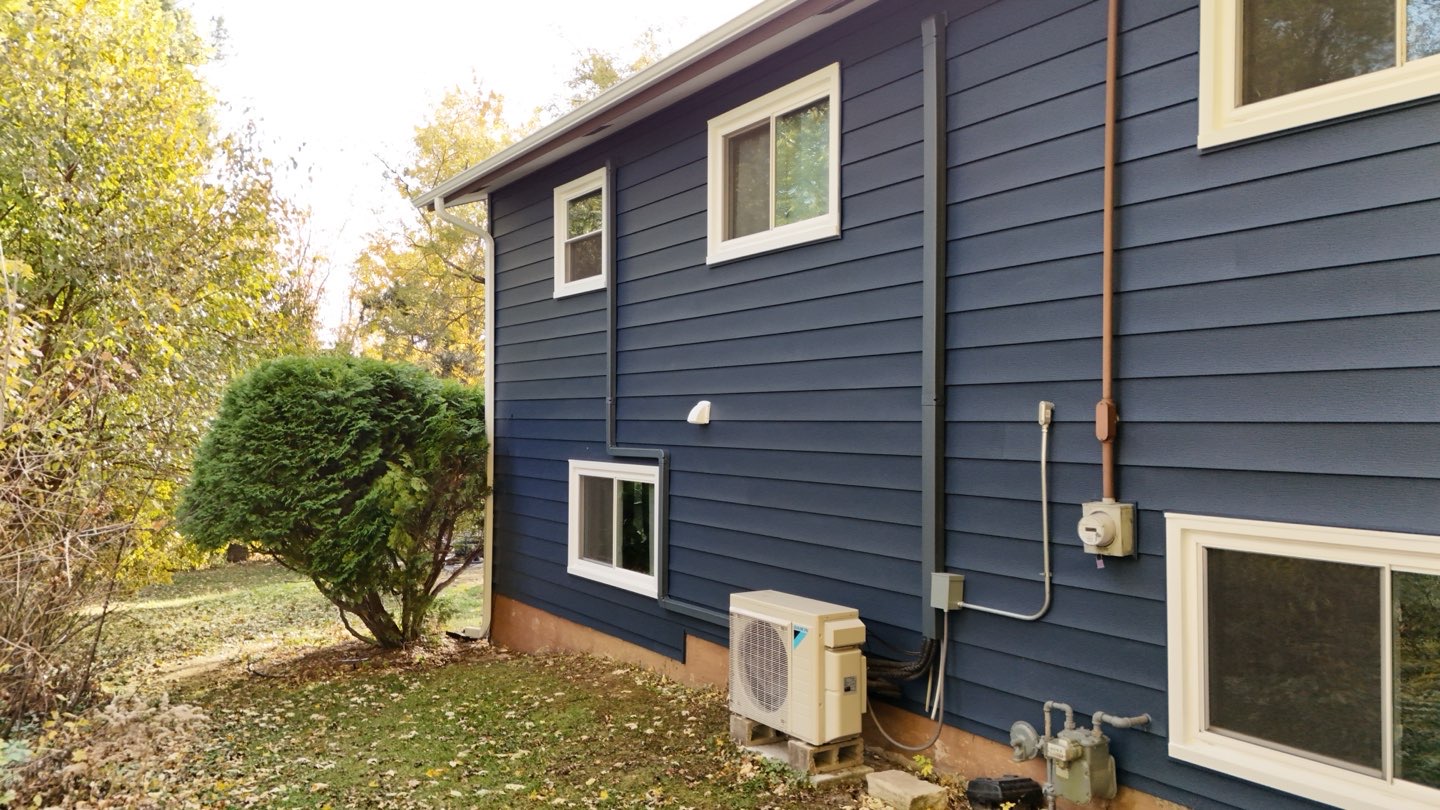
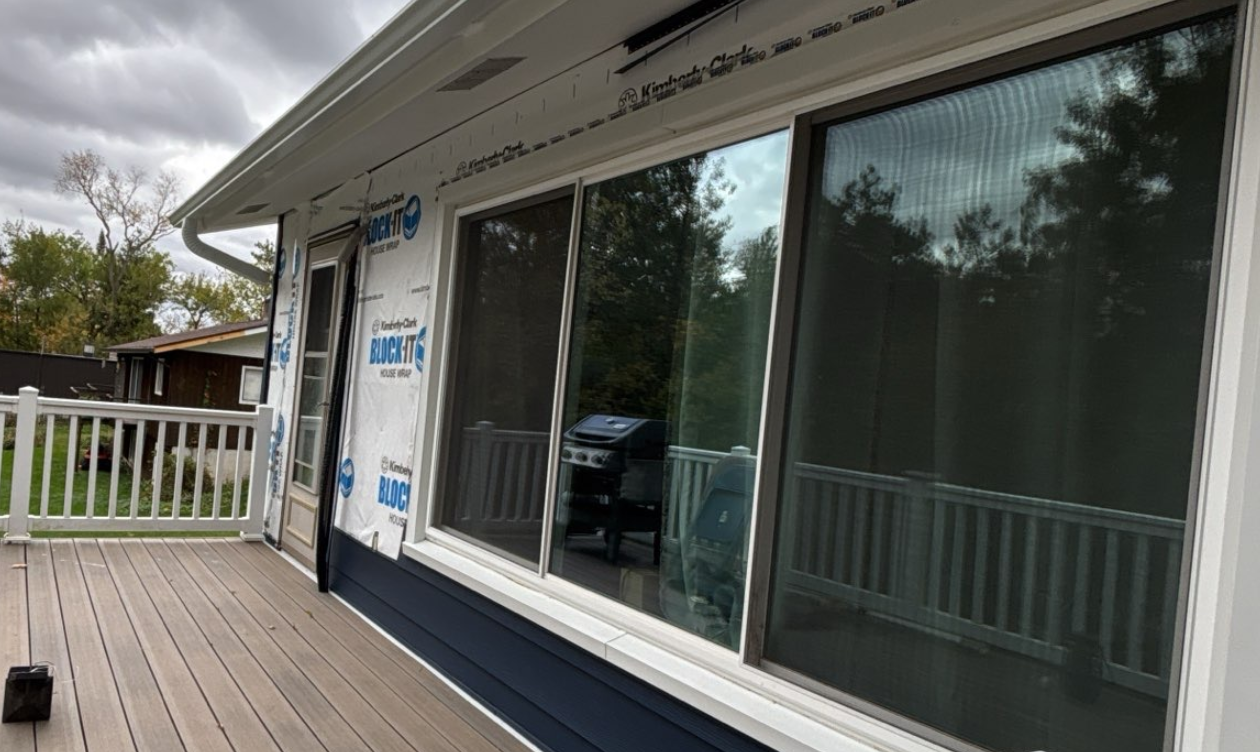
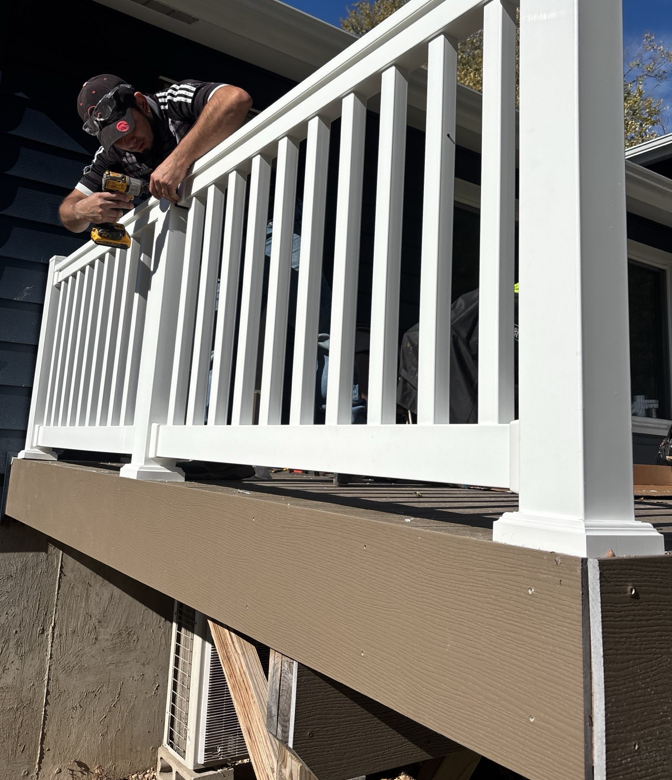
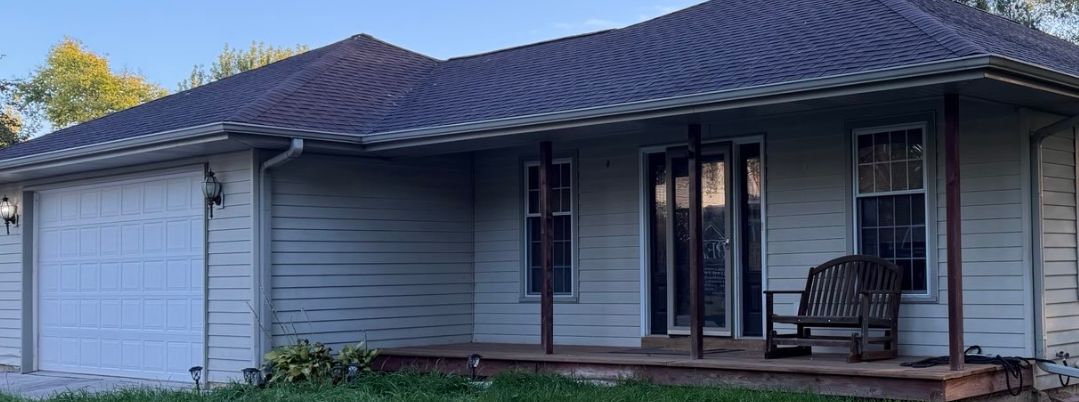


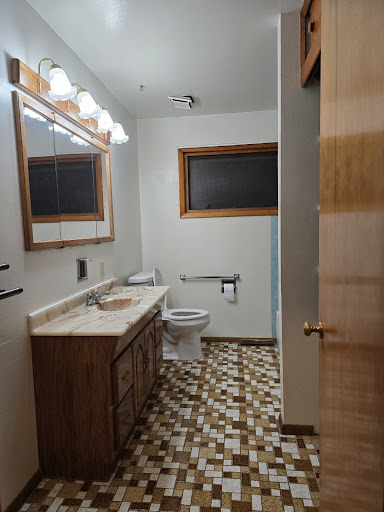
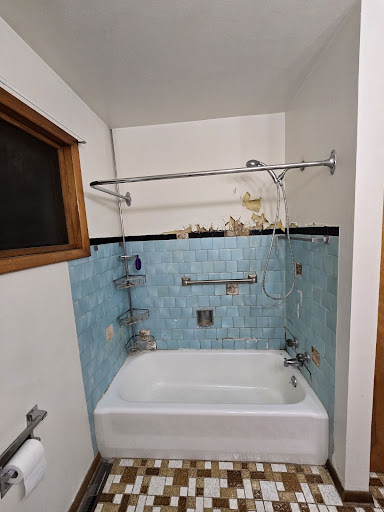
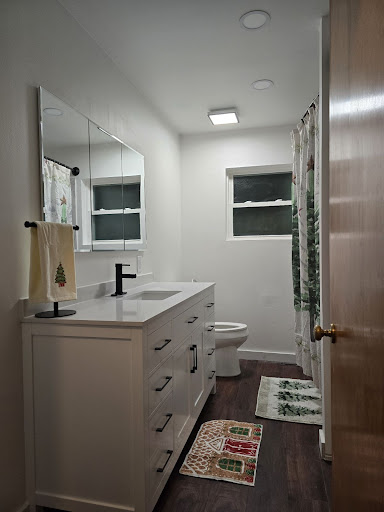
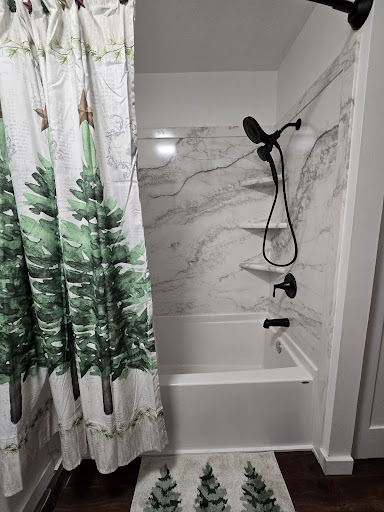
A new vanity, a new toilet, and even a new sink installed by PEI. It was a quick and great experience from beginning to end. We were initially worried about having to wait a couple months before they could fit us in but they were ready to start the project within a matter of days! We are extremely pleased with this company and will recommend them highly to family and friends. Five stars!